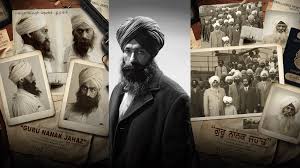
1. Introduction: A Cinematic Tribute to Sikh History
Punjabi cinema in 2025 has witnessed a powerful addition with the release of Guru Nanak Jahaz, a historical drama that goes beyond entertainment to pay homage to the legacy of Mewa Singh Lopoke. This film is not only a cinematic project but also a cultural milestone, reminding audiences of the sacrifices made during the Komagata Maru incident in Canada. By bringing this overlooked chapter of Sikh history to the big screen, Guru Nanak Jahaz resonates with viewers across generations and geographies, especially the global Sikh diaspora. It represents a blend of art, history, and emotion, positioning itself as one of the most impactful Punjabi films of the year.
2. Storyline Rooted in Real Sacrifice
At the heart of Guru Nanak Jahaz lies the story of Mewa Singh Lopoke, a courageous Sikh activist who became a symbol of resilience in the early 20th century. The film sheds light on his role during the Komagata Maru tragedy, where hundreds of Indian immigrants were denied entry into Canada due to discriminatory laws. Mewa Singh’s sacrifice is portrayed not only as an act of defiance against injustice but also as a beacon of hope for future generations. Through powerful dialogues and emotionally charged sequences, the narrative connects past struggles with contemporary themes such as racism, migration, and the ongoing quest for equality. The authenticity of the storytelling ensures that audiences feel the weight of history while also drawing parallels with today’s social realities.
3. Tarsem Jassar’s Outstanding Performance
A film of this magnitude requires a commanding performance at its center, and Tarsem Jassar delivers exactly that. Known for his versatility in Punjabi cinema, Jassar steps into the role of Mewa Singh Lopoke with sincerity and depth. His portrayal captures not only the bravery of a revolutionary but also the vulnerability of a man burdened by the injustices of his time. From emotional breakdowns to moments of fierce resistance, Jassar showcases a wide range of emotions, ensuring the character feels both larger-than-life and deeply human. Critics and fans alike have praised his performance as one of the finest in his career, solidifying his reputation as an actor who can carry socially and historically significant stories with conviction.
4. Direction and Cinematic Brilliance
The direction of Guru Nanak Jahaz is a major reason for its critical acclaim. The filmmakers have approached the subject matter with respect and authenticity, ensuring that every detail—from set design and costumes to the dialogues—reflects the historical context of the early 1900s. The Komagata Maru incident, recreated with cinematic precision, transports audiences back in time, allowing them to experience the tension and pain of that era. What stands out is the director’s ability to balance historical accuracy with cinematic storytelling. The film avoids becoming a dry history lesson by incorporating emotional arcs, dramatic pacing, and visually striking sequences that keep audiences fully engaged.
5. Box Office Success and Audience Reception
Despite being a historical drama—a genre that sometimes struggles at the box office—Guru Nanak Jahaz has emerged as a strong performer. The film’s emotional appeal and cultural significance drew large crowds in Punjab as well as in overseas markets such as Canada, the U.K., and the U.S. Families, students, and community organizations booked shows, turning the film into a collective viewing experience. Social media buzz, particularly among the Sikh diaspora, further amplified its success. Box office analysts have highlighted Guru Nanak Jahaz as proof that meaningful cinema rooted in history can achieve both critical acclaim and commercial viability when presented with the right balance of authenticity and storytelling.
6. Critical Acclaim and Social Relevance
From the very beginning, Guru Nanak Jahaz has been praised by critics for its sensitive handling of a difficult historical subject. Reviews highlight the film’s ability to humanize Mewa Singh Lopoke’s story while also educating audiences about the challenges faced by early Sikh immigrants. Beyond cinema, the film has sparked discussions about migration, racial discrimination, and the importance of preserving cultural memory. Community leaders and educators have recommended it as an important resource for younger generations to understand their heritage. By reviving a forgotten chapter of Sikh history, the film achieves relevance not only in the context of 2025 but also for ongoing conversations around justice, equality, and representation.
7. Comparison with Other Punjabi Historical Films
Punjabi cinema has traditionally leaned toward comedy and romance, but in recent years, films rooted in history and heritage have started gaining momentum. Titles like Akaal: The Unconquered and Subedar Joginder Singh brought Sikh bravery and culture to the big screen. However, Guru Nanak Jahaz sets itself apart by focusing specifically on the Sikh diaspora and their struggles abroad. The Komagata Maru incident remains a significant historical event, especially in Canada, and this connection gives the film international relevance. Unlike other historical films that focus mainly on battles or warrior legacies, Guru Nanak Jahaz explores migration, identity, and systemic injustice, making it a distinctive and deeply meaningful contribution to Punjabi cinema.
8. Final Thoughts: Why Guru Nanak Jahaz is a Must-Watch
Guru Nanak Jahaz is not just a film—it is a tribute to courage, justice, and Sikh identity. With Tarsem Jassar’s stellar performance, meticulous direction, and a storyline rooted in sacrifice, the movie leaves a lasting impression on all who watch it. It is a cinematic reminder of the resilience of the Sikh community and the importance of standing against injustice, no matter the cost. For audiences who value history, heritage, and meaningful cinema, Guru Nanak Jahaz is a must-watch of 2025. More than entertainment, it is an educational and emotional journey that reinforces the idea that stories of the past still shape the future.